
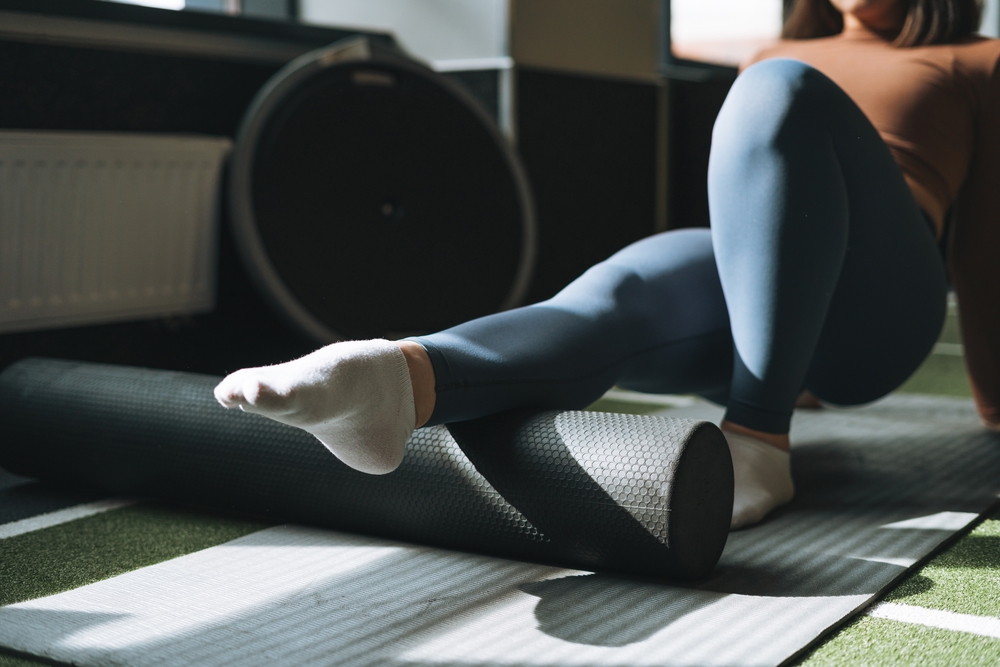

For anyone committed to health and fitness, the focus often falls on the visible parts of training—miles logged on the treadmill, weights lifted in the gym, or calories burned during a spin class. While effort is essential, recovery is the often-overlooked partner that makes progress possible. Without proper rest and restoration, even the most disciplined training program can backfire, leading to injury, fatigue, or burnout.
Recovery is not about inactivity; it’s about giving the body the conditions it needs to adapt and grow stronger. Increasingly, wellness experts point to recovery practices such as stretching, sleep hygiene, nutrition, and professional bodywork as indispensable to long-term performance and overall health.
The Science of Recovery
Every time muscles are challenged in training, microscopic tears form in the fibers. With adequate rest and nourishment, the body repairs these tears, rebuilding the tissue to be stronger and more resilient. This process, known as adaptation, is the real key to fitness gains.
Without recovery, the body never gets the chance to complete this cycle. Instead, fatigue accumulates, hormone levels shift unfavorably, and performance can plateau or decline. In some cases, neglecting recovery can even lead to overtraining syndrome, a condition marked by chronic exhaustion, decreased immunity, and mood disturbances.
Signs You Might Be Undervaluing Recovery
It can be tempting to push harder, assuming more work will always lead to better results. But the body often sends clear signals when recovery is insufficient. These include:
- Persistent soreness that doesn’t resolve after a day or two
- Trouble sleeping or staying asleep
- Plateaued or declining performance despite consistent training
- Irritability, anxiety, or low mood
- Frequent illness or nagging injuries
When these symptoms appear, it’s often a sign the balance between exertion and restoration needs recalibrating.
Beyond Sleep: Active Recovery Practices
Quality sleep is a cornerstone of recovery, but it is not the only factor. Active recovery practices can accelerate healing and restore energy between training sessions. These may include:
- Stretching and mobility work: Gentle movement maintains flexibility and joint health.
- Hydration and nutrition: Adequate protein, minerals, and fluids support tissue repair.
- Low-intensity activity: Walking, yoga, or light cycling promote circulation without adding strain.
- Mindfulness practices: Meditation or breathwork reduce stress hormones that interfere with recovery.
The Role of Professional Bodywork
One increasingly popular recovery strategy is the use of therapeutic massage. Unlike quick stretches or foam rolling at home, professional sessions provide targeted support to reduce muscular tension, improve blood flow, and stimulate the parasympathetic nervous system.
Those seeking structured recovery support often turn to massage therapy. Techniques ranging from Swedish massage to deep tissue work can be tailored to specific goals, whether that’s easing post-workout soreness, preventing injury, or cultivating deep relaxation. For athletes, massage may help reduce delayed onset muscle soreness (DOMS) and improve flexibility, while for everyday fitness enthusiasts, it offers a reliable way to manage stress and maintain consistent training habits.
Recovery as Injury Prevention
One of the most overlooked benefits of recovery practices is their role in preventing injury. Tight muscles and fatigued connective tissue are more prone to strain or tear. By incorporating recovery strategies into a routine, individuals can reduce the risk of setbacks that might otherwise sideline their progress.
Professional bodywork also allows practitioners to detect patterns of tension that may signal overuse before they escalate into injuries. Addressing these imbalances early keeps the body resilient and adaptable.
Mental and Emotional Recovery
Physical training is demanding, but so too is the mental discipline required to maintain a routine. Over time, the psychological strain can accumulate just as physical fatigue does. Intentional recovery practices help to restore mental clarity and emotional balance.
Massage, meditation, and mindful breathwork all support this dimension of recovery, allowing individuals to return to their workouts with renewed focus and motivation. When mind and body recover together, exercise feels less like a grind and more like a sustainable lifestyle.
Integrating Recovery Into Daily Life
Building recovery into a routine doesn’t require major lifestyle changes. In fact, small, consistent practices often yield the biggest impact:
- Schedule downtime with intention. Recovery should be planned just as workouts are.
- Listen to signals. If the body feels sluggish or sore, it may be asking for rest rather than another training session.
- Rotate intensity. Mix demanding workouts with lighter days to give muscles and joints time to adapt.
- Invest in support. Occasional professional massage or bodywork can complement at-home recovery efforts and provide long-term benefits.
A Balanced Approach to Fitness
Fitness is not a contest to see who can do the most. It is a long-term investment in health, energy, and resilience. By embracing recovery as an essential counterpart to exercise, individuals can experience greater gains, fewer injuries, and more enjoyment in their routines.
The most effective health journeys are those that balance movement with restoration, effort with ease. Recovery is not weakness; it is the foundation that makes strength possible.
Final Thoughts
Modern wellness has shifted from a singular focus on “pushing harder” to a more balanced view that recognizes recovery as essential. From improved sleep and reduced stress to injury prevention and enhanced performance, restorative practices create the conditions for sustainable progress.
For those ready to bring recovery into focus, integrative wellness centers like Blueroot Health offer holistic approaches that combine bodywork, mindfulness, and therapeutic care. In such settings, recovery is not an afterthought but a central pillar of true wellbeing—reminding us that strength grows not just in the gym, but in the space we give ourselves to heal.