
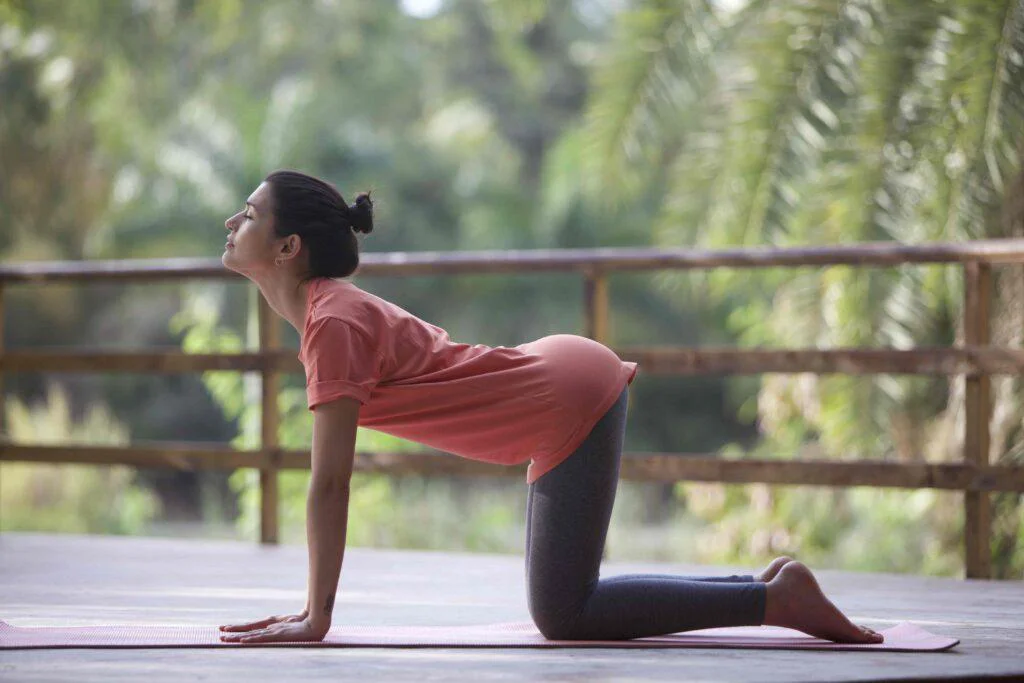

Body stiffness is rarely random. It usually develops from repeated daily habits. A person may sit too long, carry a bag on one shoulder, sleep poorly, exercise unevenly, or use screens for hours with the head forward. Over time, these habits create movement imbalance. This is why many adults looking for a yoga studio Singapore option want more than a fitness class. They want a guided environment where their body can move better, not just harder.
Movement imbalance means the body is not distributing effort well. Some muscles work too much, while others do too little. Some joints become stiff, while others compensate. The result can be tight hips, sore shoulders, back discomfort, poor balance, or general fatigue. Guided yoga helps because it brings attention back to how the body moves, breathes, holds tension, and recovers.
Why Movement Imbalance Happens
Most people do not develop imbalance because they are careless. It happens because modern life is repetitive. Daily routines often ask the body to perform the same positions again and again.
A person may sit at a desk, bend over a phone, drive or commute, then relax at home in another seated position. Even people who exercise may still have imbalances if their workouts focus on the same movements. For example, someone may train the front of the body more than the back, or push through strength workouts without enough mobility.
Common signs of imbalance include:
- One side of the body feeling tighter than the other
- Difficulty balancing on one leg
- Recurring neck or shoulder tension
- Tight hips after sitting
- Lower back discomfort during simple movements
- Feeling stiff despite regular exercise
Yoga does not treat the body as separate parts. It encourages whole-body coordination, which makes it useful for correcting these everyday movement issues.
Why Guidance Matters
Many people stretch what feels tight, but the tight area is not always the real problem. For example, hamstring tightness may be linked to pelvic position, core weakness, or nerve tension. Shoulder stiffness may involve the chest, upper back, neck, and breathing pattern.
A guided yoga environment helps people avoid guessing. A teacher can cue alignment, pacing, and body awareness. Even simple instructions such as grounding the feet, lengthening the spine, relaxing the jaw, or breathing into the ribs can change the quality of a movement.
This is especially useful for people who are new to body awareness. They may not know they are locking their knees, gripping their toes, lifting their shoulders, or holding their breath. A good class teaches these details gradually.
How Yoga Reveals Hidden Tension
One valuable part of yoga is that it shows people where they are holding tension. In daily life, many adults normalize tightness. They assume stiff shoulders, shallow breathing, and a tired lower back are just part of being busy.
During yoga, the body has time to speak. A slow forward fold may show tightness in the back of the legs. A lunge may reveal hip restriction. A twist may expose limited spinal movement. A balance pose may show weak stabilizing muscles.
This awareness is not negative. It gives the person useful information. Once someone knows where tension lives, they can work with it instead of ignoring it.
Why Breath Changes Movement Quality
Breath is closely connected to tension. When people are stressed, they often breathe high into the chest or hold the breath during effort. This can increase neck tension and reduce movement efficiency.
In yoga, breathing helps regulate the pace. When movement follows breath, the body often becomes less forceful and more controlled. This can reduce unnecessary strain.
Breath also helps people stay present. Rather than rushing through a pose, they feel the body from inside. That is where meaningful mobility begins. A person learns the difference between useful sensation and harmful force.
Building Balanced Strength
Stiffness is not always caused by lack of flexibility. Sometimes the body feels tight because it lacks strength or control in certain ranges. Yoga can help by building strength through bodyweight positions.
For example, standing poses can strengthen the legs and hips. Plank variations can support core stability. Backbends can strengthen the back body when practiced safely. Balance poses can improve foot, ankle, and hip coordination.
This type of strength is practical. It supports daily movement, not just athletic performance. People may notice they stand taller, move more smoothly, and feel less physically tired by the end of the day.
The Importance of Repetition
One yoga class can feel refreshing, but long-term change comes from repetition. The nervous system needs repeated exposure to better movement patterns. Muscles and joints also need regular practice to adapt.
This is where a studio environment helps. It makes repetition easier. The schedule is set. The space is prepared. The teacher guides the session. The student only has to show up and participate.
That structure matters for busy adults. Without it, self-care is often delayed until discomfort becomes impossible to ignore.
Yoga for People Who Feel “Too Stiff”
Many people avoid yoga because they think they are too stiff. This is exactly why they may benefit from it. Yoga is not a performance of flexibility. It is a practice that helps people understand and improve their current movement capacity.
A person does not need to touch their toes, perform advanced poses, or move like someone online. The real value is learning how to move safely and consistently. In a supportive class, stiffness becomes a starting point, not a failure.
Choosing a Better Movement Environment
People dealing with stiffness should look for a yoga space that values instruction, progression, and comfort. The right environment should help students feel guided, not judged. It should also offer enough class variety so students can choose practices that match their energy level, body condition, and goals.
For adults who want to reduce imbalance, improve mobility, and build a more sustainable health routine, Yoga Edition offers a relevant example of how studio-based yoga can support better movement habits over time.
FAQs
Can yoga help if one side of my body feels tighter?
Yes, yoga can help improve body awareness and balance between both sides. Many poses reveal side-to-side differences and help you work on them gradually.
Is stiffness always caused by tight muscles?
No. Stiffness can come from weak muscles, poor posture habits, stress, lack of movement, or limited joint control.
Should yoga feel uncomfortable?
Yoga can create strong sensations, but it should not feel sharp, painful, or unsafe. Guided classes help students understand the difference.