
Changes in circulation can develop gradually, making it easy to dismiss early warning signs as temporary discomfort or part of ageing. However, persistent symptoms affecting the legs, feet or other parts of the body may warrant a closer medical assessment.
A vascular specialist in Singapore can investigate concerns involving the arteries, veins and wider circulatory system. Understanding which symptoms deserve attention can help adults decide when to seek advice, what information to share during an appointment and which investigations may be appropriate.
1. Persistent Leg Swelling
Swelling around the ankles, calves or feet can occur after prolonged sitting, standing or travel. It may also relate to fluid retention, medication effects, heart or kidney conditions, or problems with the veins.
Venous insufficiency, for example, can affect the return of blood from the legs towards the heart. This may contribute to swelling that becomes more noticeable towards the end of the day. However, swelling alone cannot confirm a vein condition.
Pay attention to how long the swelling lasts, if it affects one or both legs, and whether it comes with pain, skin changes or visible veins. Sudden swelling in one leg, particularly with pain, warmth or redness, needs urgent medical assessment because a blood clot may be responsible. If chest pain or breathlessness develops, seek emergency care.
2. Leg Pain During Walking
Pain or cramping in the calves, thighs or buttocks during physical activity may indicate reduced blood flow through the arteries. Peripheral artery disease can cause discomfort when muscles need more oxygen during movement. The pain may ease after a period of rest and return when walking resumes.
This pattern is sometimes described as intermittent claudication. It can affect walking distance and daily activities, although other musculoskeletal conditions can produce similar discomfort.
Record when the pain begins, how far you can walk before it appears and how long it takes to settle. A clinician may assess your pulses and recommend tests such as an ankle-brachial index measurement or vascular imaging, depending on your symptoms.
3. Visible or Enlarging Varicose Veins
Varicose veins appear as enlarged, twisted veins, usually on the legs. Some people have visible veins without discomfort, while others experience aching, heaviness, itching or swelling after standing for extended periods.
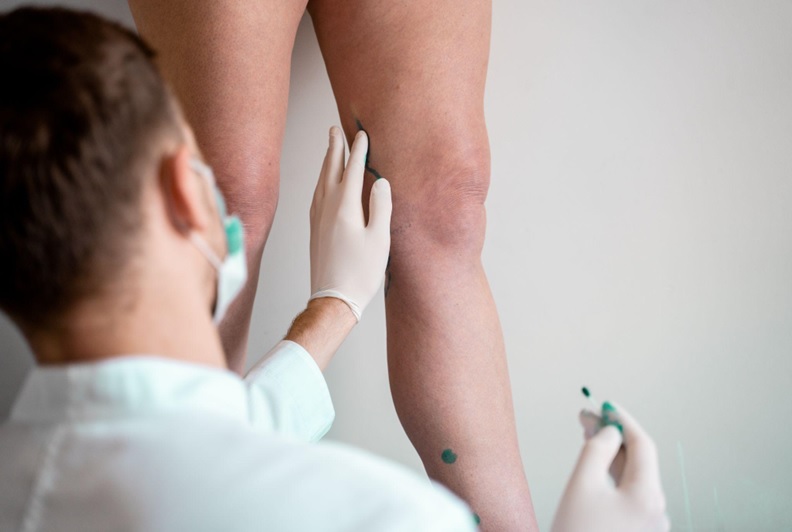
A vein clinic in Singapore can assess whether visible veins are associated with underlying venous reflux or another circulation issue. The assessment may include a physical examination and duplex ultrasound to examine blood flow and valve function.
Seek medical advice if the veins become painful, the surrounding skin changes or swelling persists. Bleeding from a varicose vein also requires medical attention. Avoid assuming that every visible vein needs a procedure, as treatment decisions depend on symptoms, examination findings and individual health factors.
4. Changes in Skin Colour or Temperature
Circulation problems can sometimes affect the appearance and temperature of the skin. Reduced arterial blood flow may cause a foot or leg to feel unusually cold, while changes in skin colour can include paleness, bluish tones or darkened areas.
Long-standing venous problems may produce brownish discolouration around the ankles, often alongside swelling or skin irritation. These changes deserve assessment, particularly if they progress or occur with discomfort.
Sudden severe pain, marked coldness, loss of sensation or a pale or blue limb may signal an acute circulation emergency. Seek immediate medical attention rather than waiting for a routine appointment.
5. Wounds That Heal Slowly
A cut, blister or sore on the foot that takes an unusually long time to heal may need investigation. Poor arterial circulation can limit the oxygen and nutrients reaching damaged tissue, while venous disease can contribute to swelling and skin breakdown around the lower legs.
People with diabetes may also face additional risks involving circulation and sensation. A wound that shows increasing redness, discharge, swelling or pain needs prompt clinical review. Do not wait for it to become larger before seeking help.
A clinician can examine the wound, assess circulation and consider further investigations. Early assessment may help identify contributing conditions and guide appropriate wound care.
6. Numbness, Tingling or Unusual Weakness
Numbness and tingling in the legs or feet can arise from nerve compression, diabetes, spinal conditions and other causes. In some cases, circulation problems may contribute to unusual sensations, particularly when they occur alongside coldness, pain or changes in skin colour.
The location, duration and pattern of these sensations can help guide an assessment. Sudden numbness or weakness affecting a limb, especially with severe pain or a change in temperature, requires urgent attention. Sudden weakness on one side of the body, facial drooping or difficulty speaking may indicate a stroke and requires emergency care.
Symptoms to Discuss
Before a consultation, prepare a short record of your symptoms. Include when they started, how frequently they occur and what seems to make them better or worse. Mention any previous vascular diagnoses, diabetes, smoking history, medication use and family history of circulation problems.
| Symptom | Details to record |
| Leg swelling | Location, duration and whether one or both legs are affected |
| Walking pain | Distance walked before discomfort begins and time needed to recover |
| Varicose veins | Changes in size, discomfort, itching or bleeding |
| Skin changes | Colour, temperature, irritation or darkened areas |
| Slow-healing wounds | Location, appearance and changes over time |
| Numbness or tingling | Affected area, frequency and accompanying symptoms |
These details do not replace a clinical examination, but they can help the doctor understand the pattern and decide which investigations may be useful.
Vascular symptoms can overlap with signs of nerve, joint and other medical conditions, so self-assessment cannot establish the cause. Persistent swelling, walking-related pain, visible vein changes, skin discolouration and slow-healing wounds are all reasons to consider medical advice. Severe or sudden symptoms need urgent attention from a vascular specialist in Singapore. If circulation concerns are affecting your comfort or daily activities, arrange an assessment.
Contact UNITAS Vein & Endovascular Clinic to discuss your symptoms and suitable next steps.