
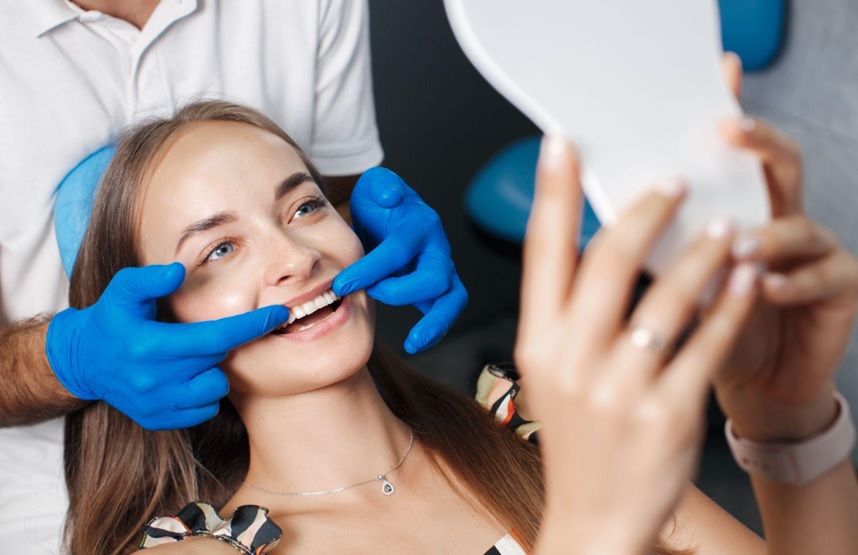

A dental smile changes personal interactions, professional meetings, and casual photos. If chipped edges, coffee discolouration, or irregular tooth contours affect your teeth, cosmetic dentistry provides treatment options. Exploring dental veneers in Singapore allows patients to alter the shape and colour of their teeth. However, because veneers require enamel preparation and a permanent change to tooth structure, you must assess whether this procedure aligns with your oral health, expectations, and budget.
Veneers restore symmetry to chipped incisors worn down by nocturnal grinding or sports impacts. They conceal intrinsic greyish stains from tetracycline or fluorosis that chemical bleaching agents cannot lift. In addition, these custom shells close black triangles and midline gaps without requiring orthodontic aligner treatments. Finally, veneers cover thinning enamel surfaces, restoring volume, light reflection, and surface contours to ageing teeth.
Identifying Discolouration: Bleaching vs Total Coverage
Before committing to tooth preparation, identify the root cause of your dental discolouration. Extrinsic stains from everyday coffee, wine, or tea settle on the outer enamel layer and respond to oxidation treatments.
If your primary goal centres purely on lightening natural teeth, exploring affordable teeth whitening in Singapore offers a non-invasive starting point. In-clinic bleaching sessions lighten organic stains without removing tooth structure. However, when discolouration stems from childhood antibiotics, nerve trauma, or fluorosis, bleaching gels reach their limits. In these cases, opting for dental veneers in Singapore covers the underlying dentine, altering the visible shade of the tooth.
Material Selection: Comparing Porcelain and Composite Resin
Dentists work primarily with two materials when placing custom veneers: direct composite resin and indirect dental porcelain. Each option serves different functional requirements and budgets.
Composite resin veneers involve layering tooth-coloured resin directly onto your teeth in a single clinical visit. Dentists shape, cure, and polish the material on the spot, making composite a common choice for direct alterations. However, resin stains over time and can chip under chewing forces. Porcelain veneers require fabrication inside a dental laboratory. Ceramics replicate the translucency and durability of natural enamel. While porcelain requires higher initial costs, its lifespan and stain-resistant surface provide longevity.
The Permanence Factor: Understanding Enamel Preparation
Patients must understand the irreversible nature of traditional veneer placement. To ensure custom porcelain shells sit flush against your gumline without excess thickness, dentists typically remove a layer of outer enamel, usually 0.3 to 0.5 millimetres.
Once you remove enamel, that tissue does not regenerate. You commit to wearing veneers or replacing them over time. During your initial consultation, ask your dentist to generate a digital preview or create a temporary diagnostic model. This allows you to evaluate the bite, feel the contours, and see the planned shape inside your mouth before the clinician prepares your teeth.
Long-Term Maintenance: Protecting Your Restorations
Receiving veneers requires ongoing maintenance and oral hygiene. Veneers resist decay, but the underlying tooth and surrounding gum tissue remain vulnerable to cavities and periodontal disease.
Brush twice daily with a non-abrasive fluoride toothpaste, floss around the margins, and attend routine dental cleanings to preserve gum health. If you grind your teeth during sleep, request a custom nightguard. A rigid splint cushions bite forces, reducing the risk of fractures in the porcelain shells. Pair daily oral care with periodic affordable teeth whitening in Singapore on untreated teeth to maintain consistent shade matching across your entire mouth.
Choosing the Right Dental Pathway
Selecting a cosmetic dental procedure involves evaluating your tooth structure, understanding the permanence of enamel preparation, and choosing the appropriate material for your needs. An initial clinical consultation helps evaluate whether veneers or alternate treatments provide the most practical solution for your dental goals.
Frequently Asked Questions
How long do porcelain dental veneers typically last?
Porcelain veneers generally last 10 to 15 years or more with routine oral hygiene, regular check-ups, and the use of a nightguard for individuals who grind their teeth.
Does getting dental veneers hurt?
Dentists administer local anaesthesia to numb the area during tooth preparation and bonding to minimise discomfort during the procedure.
Can I get veneers if I have gum disease?
No. You must treat active gingivitis or periodontitis first, as healthy gum tissue provides the stable foundation required for veneer placement.
If you are considering cosmetic dental treatments, contact Canaan Dental Surgery to discuss your dental options and determine whether veneers fit your needs.