

Oral health is often viewed as a localized concern, centered entirely on the aesthetics of a bright smile or the functionality of teeth. However, modern dentistry has revealed that the mouth is actually a primary gateway to the rest of the body. The condition of your teeth and gums serves as a significant indicator of your overall systemic health. Maintaining optimal dental hygiene is not merely about preventing cavities; it is about reducing the risk of chronic inflammatory diseases and ensuring the longevity of your natural dentition. This guide explores the intricate details of dental anatomy, the progression of common oral diseases, and the advanced professional treatments available today.
The Anatomy of a Tooth and the Oral Environment
To understand the importance of dental care, one must first understand the complex structure of the tooth. A tooth is not a solid, inert object but a living organ composed of several distinct layers.
-
Enamel: This is the outermost layer and the hardest substance in the human body. It is highly mineralized and designed to withstand the significant pressures of chewing. Despite its strength, enamel is susceptible to acid erosion and cannot regenerate once it is lost.
-
Dentin: Located beneath the enamel, dentin is a yellowish, porous tissue. It contains microscopic tubules that lead directly to the nerve of the tooth. When enamel thins, temperature changes or acidic foods can stimulate these tubules, causing sensitivity.
-
Pulp: This is the core of the tooth, containing blood vessels, connective tissue, and nerves. The pulp provides the tooth with nutrients and sensory capabilities. If bacteria reach this layer through a deep cavity or crack, an infection or abscess usually follows.
-
Cementum and Periodontium: The cementum covers the root of the tooth, while the periodontium consists of the ligaments and bone that anchor the tooth into the jaw.
The oral environment is home to billions of bacteria. While many are harmless or even beneficial, certain strains thrive on the sugars and starches we consume. These bacteria produce acid as a byproduct, which slowly dissolves the mineral structure of the enamel, leading to the formation of dental caries, or cavities.
The Progression of Gum Disease
Periodontal disease, commonly known as gum disease, is one of the most prevalent health conditions worldwide. It is a progressive inflammatory disease that affects the tissues supporting the teeth. It typically occurs in two main stages: gingivitis and periodontitis.
Gingivitis: The Reversible Stage
Gingivitis is the earliest stage of gum disease, characterized by red, swollen, or bleeding gums. It is caused by the accumulation of plaque—a sticky film of bacteria—along the gumline. At this stage, the bone and connective tissue holding the teeth in place have not yet been affected. Because gingivitis is often painless, many individuals do not realize they have it. Fortunately, with professional cleanings and improved home care, gingivitis is entirely reversible.
Periodontitis: The Chronic Threat
If plaque is not removed, it hardens into tartar or calculus, which can only be removed by a dental professional. Tartar provides a reservoir for bacteria to migrate below the gumline. This triggers a chronic inflammatory response where the body’s immune system begins to break down the bone and connective tissue that support the teeth. As the disease progresses, pockets form between the teeth and gums, leading to tooth mobility and eventual loss. Furthermore, the bacteria associated with periodontitis can enter the bloodstream, contributing to cardiovascular disease, diabetes complications, and respiratory issues.
Modern Preventive Strategies and Home Care
The cornerstone of dental health is prevention. While professional intervention is necessary, the daily habits of the individual determine the long-term success of any dental treatment plan.
Effective Brushing and Flossing
Brushing should occur at least twice a day using a soft-bristled toothbrush and fluoride toothpaste. Many people brush too hard, which can lead to gum recession and enamel wear. A gentle, circular motion at a 45-degree angle to the gums is the most effective method. Flossing is equally critical because a toothbrush cannot reach the surfaces between the teeth where a large percentage of cavities and gum infections begin.
The Role of Diet in Oral Health
Nutrition plays a dual role in dental health. Hard, fibrous foods like apples and carrots can help mechanically clean tooth surfaces and stimulate saliva production. Saliva is the mouth’s natural defense system; it neutralizes acids and provides minerals to strengthen enamel. Conversely, frequent snacking on fermentable carbohydrates—such as crackers, bread, and sugary sweets—provides a constant food source for acid-producing bacteria. Reducing the frequency of sugar exposure is often more important than reducing the total amount of sugar consumed.
Professional Dental Treatments and Innovations
When prevention is not enough, modern dentistry offers a range of restorative and cosmetic solutions designed to mimic the natural function and appearance of teeth.
Restorative Procedures
For minor decay, composite resins (tooth-colored fillings) are the standard of care, providing a durable and aesthetic result. If a tooth has undergone significant trauma or decay, a crown may be necessary to provide structural integrity. In cases where the internal pulp is infected, root canal therapy allows a patient to keep their natural tooth by removing the infected tissue and sealing the canal space.
Tooth Replacement Options
The loss of a tooth can lead to the shifting of surrounding teeth and the resorption of the jawbone. Dental implants have revolutionized this area of dentistry. An implant is a titanium post that is surgically placed into the jawbone, acting as a root for a replacement crown. Unlike bridges, implants do not require the alteration of adjacent healthy teeth and help maintain bone density.
Cosmetic Dentistry
Cosmetic procedures have become increasingly popular as people recognize the social and professional value of a healthy-looking smile. Professional teeth whitening, porcelain veneers, and clear aligner orthodontics allow for significant transformations in the alignment, shape, and color of the teeth.
The Importance of Regular Professional Examinations
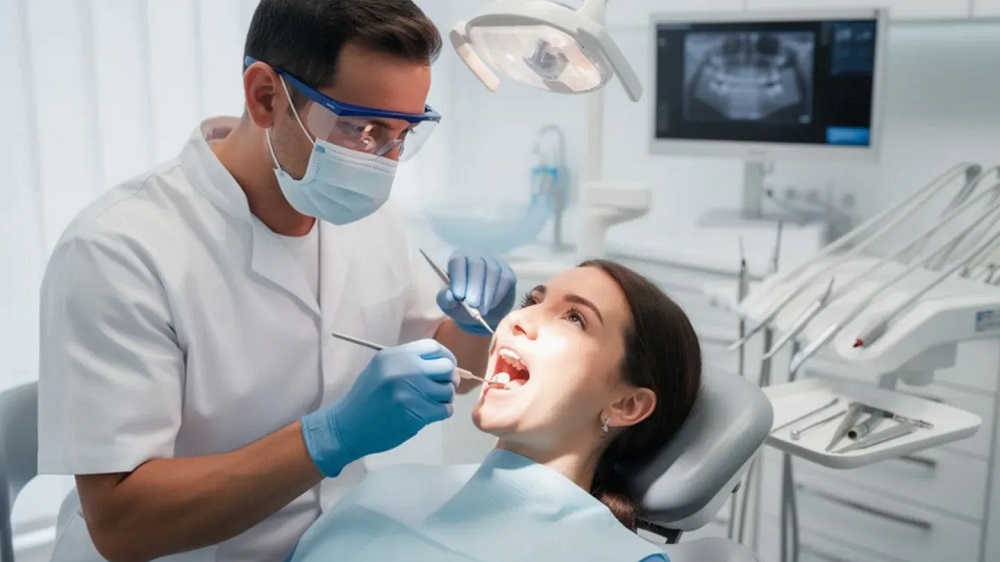
Routine dental checkups are essential for early detection. Many oral health issues, including oral cancer, do not present symptoms in their early stages. During a professional examination, a dentist looks for signs of decay, assesses gum health, checks the integrity of existing restorations, and performs a screening for oral pathologies. Professional cleanings remove the tartar that cannot be brushed away at home, significantly reducing the bacterial load in the mouth.
FAQ
Why do my teeth feel sensitive to cold after a professional cleaning?
It is common to experience temporary sensitivity after a cleaning. The removal of tartar can expose areas of the tooth, particularly near the gumline, that were previously covered. This usually subsides within a few days as the teeth adjust and the gums settle. Using a desensitizing toothpaste can help manage this during the transition.
Is an electric toothbrush significantly better than a manual one?
While a manual toothbrush can be effective with perfect technique, studies generally show that electric toothbrushes are more efficient at removing plaque. The mechanical vibrations or oscillations do much of the work for you, and many models include pressure sensors to prevent you from brushing too hard and timers to ensure you brush for the full two minutes.
Why does my dentist take X-rays every year if I do not have any pain?
Dental X-rays allow clinicians to see what is happening beneath the surface. They can detect cavities between teeth, infections in the bone, impacted teeth, and even some types of tumors. By the time dental decay causes pain, it has often reached the nerve, requiring more invasive and expensive treatment like a root canal.
Can whitening treatments damage my tooth enamel?
Professional whitening treatments and ADA-approved over-the-counter products are safe for enamel when used as directed. The whitening agent opens the pores in the enamel to lift stains but does not dissolve the mineral structure. However, overuse can lead to temporary sensitivity or gum irritation.
What is the connection between pregnancy and dental health?
Hormonal changes during pregnancy can make the gums more sensitive to plaque, leading to a condition known as pregnancy gingivitis. It is safe and highly recommended to receive dental cleanings during pregnancy to manage this inflammation, as untreated gum disease has been linked to preterm birth and low birth weight.
What is the difference between a white filling and a silver filling?
Silver (amalgam) fillings are made of a mixture of metals and are known for their extreme durability, especially in the back of the mouth. White (composite) fillings are made of a plastic and glass mixture. While they were once considered less durable, modern composites are very strong and offer the advantage of bonding directly to the tooth structure while matching its natural color.
At what age should a child first visit the dentist?
The general recommendation is that a child should have their first dental visit by their first birthday or within six months of their first tooth appearing. These early visits are primarily about monitoring development, educating parents on cleaning techniques, and ensuring the child becomes comfortable in a clinical environment.