
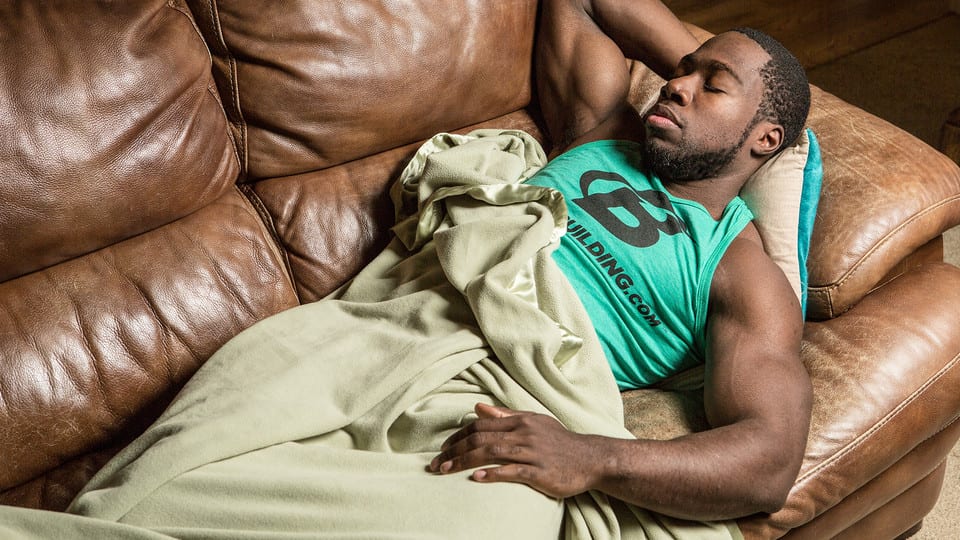

In the world of bodybuilding, the hierarchy of importance is usually presented as a tripod: training, nutrition, and recovery. While athletes obsess over the intricacies of their training splits and meticulously weigh every gram of protein, the recovery leg of that tripod is frequently neglected. Specifically, sleep is often treated as a luxury or a passive state of non-productivity. However, physiological reality dictates that sleep is the most potent anabolic environment available to a human being. Without it, the most scientifically advanced training program and the cleanest diet will fail to produce optimal results. Understanding why sleep is the ultimate performance enhancer requires a deep dive into hormonal regulation, tissue repair, and neurological recovery.
The Hormonal Powerhouse of Deep Sleep
The primary reason sleep is non-negotiable for muscle growth is its role in hormonal regulation. Bodybuilding is essentially a game of managing the ratio between anabolic (building) and catabolic (breaking down) hormones. Sleep is the period when the body shifts heavily into an anabolic state.
The most significant hormone released during sleep is Human Growth Hormone (HGH). While HGH is secreted in pulses throughout the day, the largest and most concentrated release occurs during the first period of deep, slow-wave sleep. This hormone is responsible for stimulating tissue growth, cell reproduction, and cell regeneration. It also aids in the metabolism of body fat, ensuring that the energy used for recovery comes from adipose tissue rather than precious muscle glycogen or protein.
Conversely, a lack of sleep causes a dramatic spike in cortisol. Cortisol is the body’s primary stress hormone and is inherently catabolic. When cortisol levels remain elevated due to sleep deprivation, it inhibits protein synthesis and encourages the body to store fat, particularly in the abdominal region. Essentially, by skipping sleep, a bodybuilder is voluntarily lowering their growth hormones and raising their muscle-wasting hormones.
Muscle Protein Synthesis and Tissue Repair
A common mantra in the fitness community is that you do not grow in the gym; you grow while you sleep. Resistance training serves as the stimulus, creating micro-tears in the muscle fibers. The actual reconstruction of these fibers into larger, stronger units occurs during the rest phase.
During sleep, the body increases blood flow to the muscles. This delivery system brings oxygen and essential nutrients that facilitate the repair of damaged tissues. Furthermore, muscle protein synthesis (MPS)—the process by which the body uses dietary protein to build new muscle—is highly active during the overnight hours. This is why many professional bodybuilders prioritize a slow-digesting protein source before bed; it ensures that the body has a steady supply of amino acids to fuel the repair work happening during the various stages of sleep.
Neurological Recovery and Mental Focus
Bodybuilding is as much a neurological endeavor as it is a physical one. Every lift begins with a signal from the brain to the muscles via the Central Nervous System (CNS). Heavy lifting, especially compound movements like deadlifts and squats, places immense strain on the CNS.
Sleep is the only time the CNS can fully recalibrate. Without adequate rest, the “firing” rate of motor neurons decreases. This leads to what lifters often describe as a “stale” feeling, where the weights feel heavier than they should, and the mind-muscle connection feels sluggish. Furthermore, sleep deprivation severely impairs cognitive function, including focus and reaction time. In a bodybuilding context, a lack of focus leads to poor form, and poor form eventually leads to injury. Consistent, high-quality sleep ensures that your brain can recruit the maximum number of muscle fibers during every set.
Metabolic Health and Appetite Regulation
Sleep plays a critical role in how the body processes energy. When you are chronically underslept, your body’s ability to manage insulin is compromised. This means that instead of carbohydrates being shuttled into the muscle cells to be used as fuel or stored as glycogen, they are more likely to be converted into body fat. For a bodybuilder looking to stay lean while gaining mass, poor insulin sensitivity is a major roadblock.
Additionally, sleep controls the hormones responsible for hunger: ghrelin and leptin.
-
Ghrelin: Known as the hunger hormone, levels of ghrelin increase when you are tired, causing intense cravings for high-calorie, sugary foods.
-
Leptin: The satiety hormone, which tells your brain you are full, decreases when you lack sleep.
This hormonal imbalance makes adhering to a strict bodybuilding diet nearly impossible. The “willpower” people think they lack is often just a physiological reaction to being exhausted.
The Stages of Sleep and Their Specific Roles
To maximize bodybuilding progress, one must understand that not all sleep is created equal. A full night’s rest consists of several 90-minute cycles, transitioning through different stages.
-
Light Sleep (Stages 1 and 2): These stages act as the transition between wakefulness and deep sleep. Heart rate slows and body temperature drops.
-
Deep Sleep (Slow-Wave Sleep): This is the holy grail for bodybuilders. This is where the physical repair happens, HGH is released, and the body restores its energy.
-
REM Sleep (Rapid Eye Movement): This stage is primarily for mental and emotional processing. It is where the brain consolidates memory and clears out metabolic waste.
If you sleep for only four or five hours, you are likely cutting off the later cycles that contain the most REM and deep sleep, effectively sabotaging both your physical and mental recovery.
Practical Strategies for Better Sleep Quality
If sleep is a tool, then you must learn how to sharpen it. Improving “sleep hygiene” is just as important as perfecting your bench press form.
-
Consistency is Key: Going to bed and waking up at the same time every day, including weekends, helps regulate your circadian rhythm.
-
The Darker, The Better: Use blackout curtains or an eye mask. Light exposure inhibits the production of melatonin, the hormone that signals to your body it is time to rest.
-
Temperature Control: The body needs to drop its core temperature to initiate sleep. A cool room, ideally around 65 to 68 degrees Fahrenheit, is optimal.
-
Limit Blue Light: The light emitted from smartphones and computer screens mimics sunlight and can trick your brain into staying awake. Avoid screens for at least 60 minutes before bed.
-
Manage Caffeine: Caffeine has a half-life of about five to six hours. If you consume a high-stimulant pre-workout late in the evening, it will almost certainly degrade the quality of your deep sleep, even if you manage to drift off.
FAQ
Can I make up for lost sleep during the week by sleeping more on the weekends?
While “catch-up sleep” can help reduce feelings of sleepiness, it cannot fully reverse the hormonal disruptions or the missed muscle protein synthesis opportunities that occurred during the week. Consistency is far superior to trying to compensate for a sleep debt.
How many hours of sleep are actually necessary for muscle growth?
For most active individuals and bodybuilders, seven to nine hours is the recommended range. However, during periods of extreme training intensity or contest prep, some athletes may require up to ten hours to fully recover.
Does napping during the day help with muscle recovery?
Yes, a 20 to 30-minute “power nap” can help lower cortisol and improve mental alertness. However, longer naps late in the afternoon can interfere with your ability to fall asleep at night. Naps should be a supplement to, not a replacement for, nighttime sleep.
Will taking a melatonin supplement every night help my bodybuilding goals?
Melatonin can be useful for resetting a sleep schedule (like after traveling), but relying on it long-term can potentially desensitize your body’s natural production. It is better to focus on lifestyle changes and environment before turning to supplements.
What is the impact of training late at night on sleep quality?
Training raises your core body temperature and increases adrenaline and cortisol. For many people, training within three hours of bedtime can make it difficult to fall asleep. If you must train late, ensure you have a proper cool-down routine to lower your heart rate.
Does snoring or sleep apnea affect muscle gains?
Significantly. Sleep apnea causes frequent interruptions in breathing, which pulls you out of deep sleep and REM. This leads to chronically low oxygen levels and disrupted hormone production. If you suspect you have sleep apnea, seeking medical treatment is one of the best things you can do for your physique and your health.
Is it better to wake up early to cardio or sleep an extra hour?
If you have to choose between getting only five hours of sleep to do cardio or getting six or seven hours and skipping it, the extra sleep is usually the better choice for muscle preservation and hormonal health. Ideally, you should manage your schedule to allow for both.