
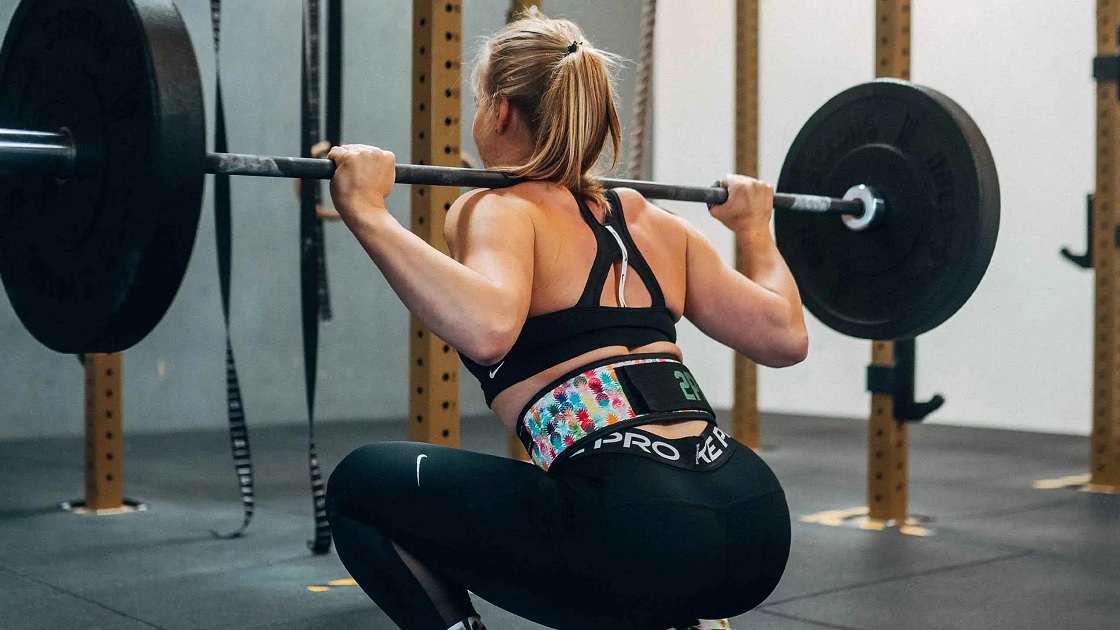

In the hierarchy of gym equipment, the weightlifting belt is perhaps the most misunderstood accessory. Often perceived as a crutch for the weak or a tool exclusively for elite powerlifters, the belt is, in reality, a sophisticated piece of performance and safety gear. For anyone serious about maximizing their potential in the two most fundamental barbell movements—the squat and the deadlift—a properly used belt is an essential investment. It doesn’t replace core strength; rather, it amplifies the body’s natural stability mechanisms, allowing the lifter to handle heavier weights safely and with superior form. Understanding how a belt works is key to unlocking its potential to transform your squat and deadlift performance.
The primary function of a weightlifting belt is not to provide passive support to the back like a brace. Instead, it serves as an external wall against which the deep core muscles—the transversus abdominis, obliques, and pelvic floor—can push. This action, known as intra-abdominal pressure (IAP), is the true mechanism of power and spinal stability. When a lifter takes a deep breath and braces against the belt, they dramatically increase the pressure within their abdominal cavity. This pressurized cavity acts like an inflated balloon surrounding the spine, creating a rigid cylinder of support.
The Science of Intra-Abdominal Pressure
During a heavy squat or deadlift, the forces exerted on the lumbar spine are immense. The spine is held stable by the coordinated contraction of the core muscles. However, there is a limit to how much rigidity these muscles can create on their own. The weightlifting belt provides an unyielding, fixed external boundary. When the lifter tightens the belt and performs the Valsalva maneuver (taking a deep breath and holding it against a closed glottis), the abdominal contents press outwards against the belt.
This increase in IAP creates a massive hydraulic effect that stiffens the entire torso. It converts the flexible core into a strong, solid pillar connecting the upper and lower body. Studies have shown that a properly used belt can increase intra-abdominal pressure by up to 40 percent. This enhanced core rigidity does two crucial things: it reduces the shear and compressive forces on the intervertebral discs, thus protecting the lower back, and it provides a more stable platform from which the legs and hips can push, leading directly to increased force production.
Improving Squat Mechanics and Depth
For the squat, a common limiting factor is maintaining an upright torso position, particularly as the lifter descends into the hole and initiates the ascent. Without proper core stability, the torso tends to fold forward, turning the lift into a precarious “good morning” movement, which places undue stress on the lumbar spine and reduces the leverage of the quadriceps and glutes.
The belt helps the squat in two primary ways. First, by providing that instant core rigidity, it helps the lifter maintain a more vertical torso angle. The added stability prevents the hips from shooting up prematurely, allowing the lifter to drive more effectively through the heels and maintain the correct bar path. Second, the tactile feedback provided by the belt is invaluable. The sensation of the leather pressing into the abdomen serves as a constant, immediate reminder to brace hard and push the core out throughout the entire repetition. This feedback helps engrain better bracing habits, even when the belt is removed. This mechanical advantage allows the lifter to achieve greater squat depth while staying tight, leading to a more powerful and safer lift.
Conclusion: A Strategic Investment in Strength
The weightlifting belt is a powerful strategic tool for serious lifters. It is not a substitute for a weak core but a mechanism that allows a strong core to perform its function optimally under extreme load. By dramatically increasing intra-abdominal pressure, the belt provides the crucial spinal rigidity and stability necessary to handle heavier weights in the squat and deadlift. This leads to not only improved performance and the breaking of plateaus but, most importantly, safer lifting practices that ensure the longevity of your training career. For anyone looking to maximize their potential on the platform, the belt is an indispensable partner in the pursuit of strength.