
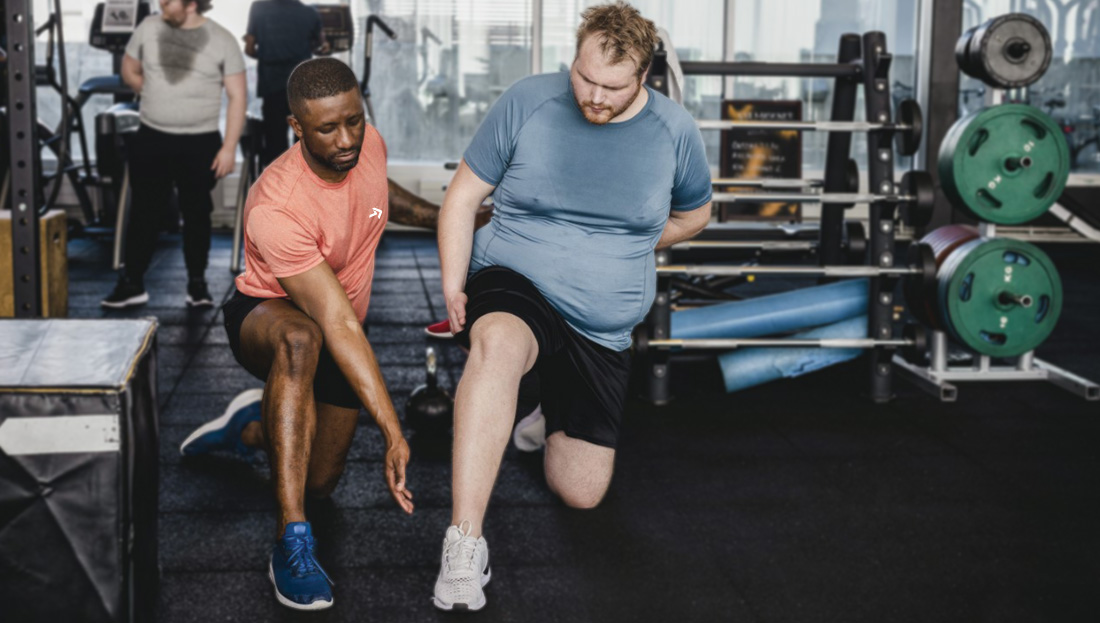

Many people in Singapore start their fitness journey with the intention of exercising more often, but without a clear plan they quickly lose motivation. Jumping from one random workout to another may seem flexible, but it rarely delivers lasting results. The key difference lies in committing to a structured gym fitness program, which is designed with progression, accountability, and science-backed methods. Unlike casual workouts, such programs ensure that every effort contributes directly to your health and fitness goals.
A structured program is not about restricting variety, but about creating a roadmap that aligns with your physical needs, lifestyle, and long-term objectives. When supported by trained professionals and consistent tracking, it becomes one of the most effective ways to achieve real change. This article explores the science-backed benefits of following a structured program, and why it offers far more value than unplanned exercise routines.
Clear Goals and Progressive Overload
One of the main benefits of a structured program is clarity of goals. Trainers design workouts to address specific outcomes such as fat loss, muscle gain, cardiovascular health, or flexibility. By defining the goal from the start, the program provides direction and eliminates guesswork.
Structured fitness also applies the principle of progressive overload. This means gradually increasing resistance, intensity, or duration over time to challenge the body. Without progressive overload, workouts become repetitive and your body stops adapting. Programs track performance and adjust exercises systematically, ensuring consistent improvements.
Reduced Risk of Injury
Casual workouts often involve experimenting with unfamiliar exercises without proper form or guidance. This increases the risk of sprains, strains, and long-term joint problems. A gym fitness program is designed to build strength gradually, while also prioritising mobility and stability. Trainers focus on correct techniques before adding weights or complexity, which greatly reduces the risk of injuries.
Additionally, structured programs incorporate warm-ups, cool-downs, and recovery protocols that casual exercisers often skip. These elements protect muscles and joints, ensuring safe progression across weeks and months.
Efficient Use of Time
In a city like Singapore where time is scarce, efficiency is critical. Casual workouts may leave you spending long hours in the gym without measurable progress. A program removes inefficiency by focusing only on exercises that align with your goals. For example, someone aiming to lose fat may benefit more from metabolic conditioning circuits rather than isolated bicep curls.
Structured programs also limit decision fatigue. Instead of wondering what to do each day, the plan is already laid out. This saves mental energy and ensures that every workout is purposeful.
Consistency and Accountability
One of the biggest reasons people fail at fitness is inconsistency. Casual workouts often rely on mood and motivation, which fluctuate with time. Structured programs provide accountability through regular schedules, tracking tools, and trainer guidance.
Consistency is also reinforced by the psychological principle of habit formation. When exercise sessions are planned and repeated at specific times, they integrate into daily routines. Over time, this reduces reliance on willpower and turns fitness into a lifestyle rather than a temporary effort.
Balanced Development of Strength, Endurance, and Flexibility
Casual workouts often lead to imbalances because people focus only on what they enjoy. Some may run excessively without strength training, while others may lift weights but neglect mobility. These imbalances create weaknesses that can limit progress or cause injuries.
A structured program balances all components of fitness. Strength training, cardio, mobility work, and recovery are integrated in proportion to the member’s goals. This holistic approach ensures long-term physical performance, better posture, and reduced risk of chronic pain.
Long-Term Health Benefits
Following a structured program has measurable effects on long-term health. Studies show that progressive resistance training improves bone density, reducing the risk of osteoporosis in later years. Regular cardio within a program enhances heart health, lowering the likelihood of hypertension and cardiovascular diseases. Flexibility and mobility routines decrease the risk of falls, particularly for seniors.
Unlike casual workouts that may produce short bursts of progress, structured programs create sustainable improvements in metabolism, immune function, and mental wellness. The benefits extend beyond physical appearance and directly impact quality of life.
Psychological and Emotional Benefits
Casual workouts often feel unmotivated because there is no way to measure success. Structured programs, however, track progress using clear markers such as body composition, strength levels, or endurance milestones. Achieving these goals builds self-confidence and creates a sense of accomplishment.
Additionally, structured programs provide mental relief through predictability. Instead of worrying about what to do at the gym, members can focus on execution. This reduces stress and increases enjoyment of the fitness journey. Exercise is also known to release endorphins, which improve mood and combat anxiety, and these benefits are stronger when exercise is consistent.
Professional Guidance and Customisation
Another major advantage is access to trained professionals who design programs based on individual needs. A trainer considers factors such as age, fitness history, health conditions, and lifestyle to create customised routines. This ensures that the program is safe and realistic for each member.
At leading fitness centres such as TFX, certified trainers constantly adjust programs to prevent plateaus. Whether it’s increasing intensity, changing exercises, or focusing on recovery, personalisation ensures continuous improvement. This guidance is almost impossible to replicate with casual self-directed workouts.
Better Results in Less Time
Research consistently shows that structured programs yield better outcomes compared to unplanned routines. By optimising exercise selection, intensity, and rest periods, members achieve results faster. Whether the goal is fat loss, muscle growth, or improved endurance, programs eliminate wasted effort and maximise every minute spent in the gym.
For example, someone following a structured program for fat loss may burn more calories in 40 minutes of circuit training than in 90 minutes of casual cardio. Similarly, those building strength progress faster with periodised weightlifting than random lifting sessions.
Building a Lifelong Habit
Perhaps the most valuable benefit is sustainability. Casual workouts often fizzle out after enthusiasm wanes, but structured programs promote a mindset of long-term commitment. By gradually increasing challenges and celebrating milestones, members are encouraged to see fitness as an evolving journey rather than a short-term project.
When supported by professionals and aligned with personal goals, fitness becomes more than just exercise. It turns into a habit that supports physical, mental, and social wellbeing across all life stages.
FAQs About Structured Gym Fitness Programs
Q. How is a structured gym fitness program different from just working out casually?
A structured program sets clear goals, tracks progress, and applies scientific principles such as progressive overload. Casual workouts lack direction and often fail to deliver consistent results.
Q. Is a structured program suitable for beginners?
Yes. Programs are customised to match the fitness level of each individual. Beginners actually benefit the most because they learn proper form and safe techniques from the start.
Q. How many sessions per week should I commit to for results?
Most structured programs recommend three to five sessions weekly. The frequency depends on your goals, lifestyle, and recovery ability.
Q. Can a program help with weight loss?
Yes. Programs combine strength training, cardio, and nutrition guidance to optimise fat loss while maintaining lean muscle. This approach is more effective than random workouts.
Q. What if I have a medical condition or injury?
Structured programs account for health conditions. Trainers adjust exercises to avoid strain and create safe progressions that aid recovery and long-term wellbeing.