
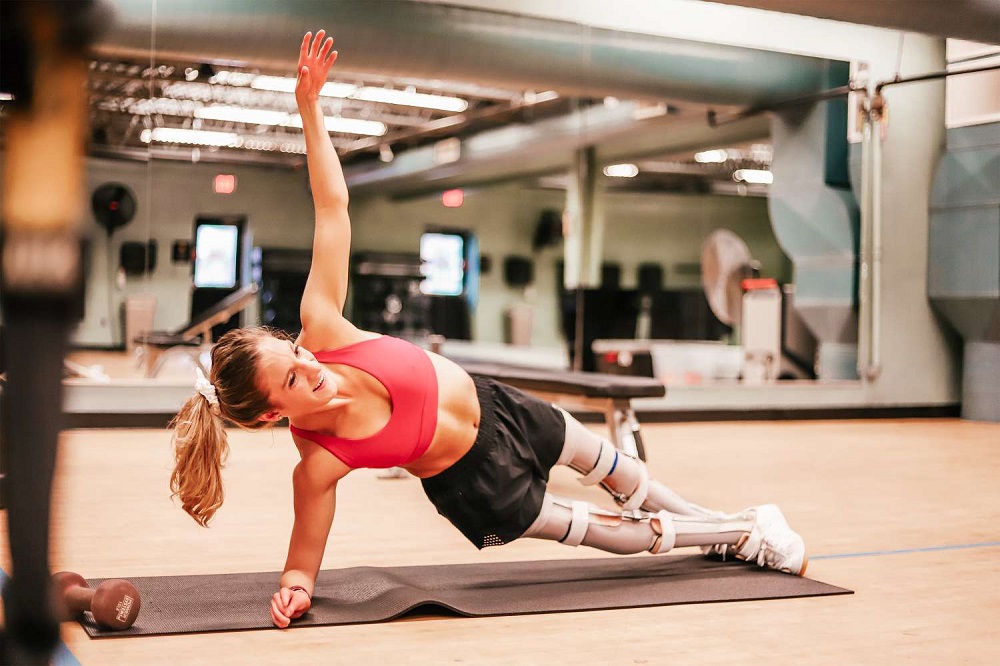

The landscape of physical health is undergoing a necessary transformation. For decades, the fitness industry was built around a narrow definition of the athlete—someone with standard mobility, typical sensory processing, and conventional physical proportions. However, the rise of adaptive fitness is dismantling these exclusionary foundations. Adaptive fitness is the practice of modifying exercises, equipment, and environments to ensure that individuals of all physical, cognitive, and sensory abilities can participate in meaningful physical activity. It is not a watered-down version of traditional exercise; rather, it is a sophisticated, individualized approach to human performance that prioritizes functional independence and long-term health.
The Core Philosophy of Adaptive Exercise
At its heart, adaptive fitness operates on the principle that the benefits of movement—cardiovascular health, muscle density, mental clarity, and metabolic regulation—are universal rights. When an individual has a permanent or temporary disability, the goal of a fitness program shifts from following a rigid protocol to achieving a specific physiological outcome through whatever means are most accessible.
This approach requires a move away from the medical model of disability, which views the individual as something to be fixed, toward the social model of disability. In the social model, the “disability” is often the result of an inaccessible environment or a lack of appropriate equipment. Adaptive fitness bridges this gap by focusing on what a person can do, using creative problem-solving to bypass physical limitations. Whether a person uses a wheelchair, lives with a limb difference, or manages a chronic neurological condition, the biological need for movement remains constant.
Essential Components of an Adaptive Program
Creating a successful inclusive fitness routine involves several layers of modification. These are generally categorized into equipment adjustments, environmental changes, and specialized coaching techniques.
Specialized Equipment and Technology
Technology has been a significant catalyst for the growth of adaptive fitness. Innovations in engineering have provided tools that allow for precision training regardless of physical constraints.
-
Active Hand and Grip Aids: For individuals with limited grip strength or hand function, such as those with spinal cord injuries or advanced arthritis, specialized gloves and hooks allow them to securely attach to weights and cable machines.
-
Modified Cycles and Rowers: Recumbent bikes, hand-cycles, and rowers with seat stabilizers allow for high-intensity cardiovascular work without requiring the use of the lower body or traditional balance.
-
Vibratory Platforms: For those with limited mobility, vibration therapy can assist in maintaining bone density and improving circulation, providing a passive yet effective form of physiological stimulation.
-
Virtual Reality (VR) Integration: VR is increasingly used to gamify physical therapy and fitness, providing visual cues that help with proprioception and spatial awareness in a controlled environment.
Environmental Accessibility
A truly inclusive gym environment goes beyond just having a ramp at the entrance. It involves the layout of the entire facility. This includes wide aisles between machines to accommodate mobility devices, “swing-away” seats on strength equipment that allow a wheelchair user to pull directly up to the weight stack, and sensory-friendly zones with controlled lighting and sound for neurodivergent athletes.
Physiological and Psychological Benefits
The impact of regular physical activity on the disabled community is profound. Beyond the obvious gains in strength, there are critical secondary benefits that directly improve quality of life.
Enhanced Functional Independence
For many, adaptive fitness is about “training for life.” Strengthening the posterior chain and core can make the difference between needing assistance for a vehicle transfer and being able to do it independently. Improving upper body endurance can reduce the fatigue associated with manual wheelchair use. These functional gains translate directly into increased autonomy and confidence in daily activities.
Chronic Disease Prevention
Individuals with physical disabilities are often at a higher risk for secondary health complications, such as type 2 diabetes, obesity, and cardiovascular disease, due to sedentary lifestyles imposed by inaccessible environments. Adaptive fitness provides a structured way to manage weight, regulate blood sugar, and improve heart health, effectively extending life expectancy and reducing healthcare costs.
Mental Health and Community
The psychological toll of social isolation can be heavy for those with limited mobility. Adaptive fitness centers often serve as community hubs. The sense of belonging found in inclusive group classes or parasports teams helps combat depression and anxiety. Furthermore, the neurochemical release of endorphins and dopamine during exercise provides a natural mood boost that is essential for mental resilience.
Designing a Routine Across Different Abilities
Inclusive fitness is not a one-size-fits-all solution. Each program must be tailored to the specific biomechanics and goals of the individual.
Focus on Mobility and Flexibility
Flexibility is a cornerstone of adaptive health. For individuals with spasticity or muscle contractures, regular stretching and range-of-motion exercises are vital. This may involve passive stretching assisted by a trainer or the use of foam rollers and straps. Keeping joints mobile prevents pain and reduces the risk of injury during more strenuous activities.
Resistance Training and Muscle Balance
Strength training in the adaptive space often focuses on muscle balance. For example, manual wheelchair users often develop overactive chest and anterior shoulder muscles while their back muscles become weak and overstretched. An adaptive program would prioritize “pulling” movements to strengthen the upper back, improving posture and preventing rotator cuff injuries.
Cardiovascular Conditioning
Cardio for adaptive athletes can take many forms. Battle ropes, seated boxing, and swimming are excellent ways to elevate the heart rate. The key is to find an activity that allows the individual to reach their target heart rate zone safely. For those with autonomic dysreflexia or impaired thermoregulation, monitoring intensity and environment temperature is a critical safety component.
Professional Guidance and Certification
As the demand for inclusive fitness grows, so does the need for qualified professionals. Organizations like the American College of Sports Medicine (ACSM) and various disability-specific foundations now offer certifications for Certified Inclusive Fitness Trainers (CIFT). These professionals are trained to understand the contraindications of various medications, the mechanics of assistive devices, and the specific physiological responses of different disabilities. Working with a certified trainer ensures that the exercise program is both safe and effective.
The Future of Inclusive Movement
The future of fitness is inherently inclusive. We are seeing a shift where mainstream fitness brands are beginning to feature adaptive athletes in their marketing and developing inclusive apparel lines. Gyms are increasingly viewing accessibility not as a legal requirement of the Americans with Disabilities Act (ADA), but as an opportunity to serve a diverse and motivated demographic.
As we move forward, the integration of artificial intelligence and wearable tech will likely provide even more personalized feedback for adaptive athletes, allowing for real-time adjustments to form and intensity. The ultimate goal is a world where every person, regardless of their physical starting point, has the tools, the space, and the support to pursue their highest level of wellness.
Frequently Asked Questions
What is the difference between physical therapy and adaptive fitness?
Physical therapy is a medical intervention focused on rehabilitating a specific injury or regaining lost function under the supervision of a licensed clinician. Adaptive fitness is a long-term wellness approach focused on general health, strength, and conditioning. While they often overlap, adaptive fitness is generally performed in a gym setting and is intended for lifelong maintenance rather than short-term recovery.
How do I find a gym that supports adaptive fitness?
Look for facilities that carry the “Inclusive Fitness” designation or check for equipment with the Universal Design mark. Many YMCA locations and university recreation centers are leaders in accessibility. You can also search for trainers who hold specific adaptive certifications or contact local chapters of organizations like Move United.
Can people with cognitive or sensory disabilities benefit from adaptive fitness?
Absolutely. Adaptive fitness includes modifications for neurodivergency. This might include using visual schedules, providing noise-canceling headphones, or creating “quiet hours” with reduced sensory input. For those with cognitive disabilities, exercise can improve focus, coordination, and social skills.
Is adaptive fitness expensive due to specialized equipment?
While some specialized equipment can be costly, many effective adaptive exercises require very little. Resistance bands, household items used as weights, and bodyweight movements can be highly effective. Many non-profit organizations also offer grants or low-cost community programs to ensure financial barriers do not prevent participation.
How does someone with limited sensation safely monitor their exercise intensity?
Individuals with limited sensation, such as those with certain types of paralysis, must rely on the Rating of Perceived Exertion (RPE) scale rather than just heart rate or physical feeling. They are also encouraged to perform frequent skin checks for any signs of pressure sores or irritation caused by equipment or clothing during the workout.
Can adaptive fitness help with chronic pain management?
Yes. For many chronic conditions, movement is a key component of pain management. Low-impact adaptive exercises like water aerobics or seated yoga can help lubricate joints and release natural painkillers in the brain. However, it is essential to work with a professional to ensure the movements do not exacerbate the underlying cause of the pain.
What are the first steps for someone with a disability to start a program?
The first step is to consult with a medical professional to establish clear physical boundaries and safety guidelines. Once cleared, the individual should seek out an inclusive trainer or an adaptive sports organization to perform a functional assessment and develop a customized plan based on their specific goals and abilities.