
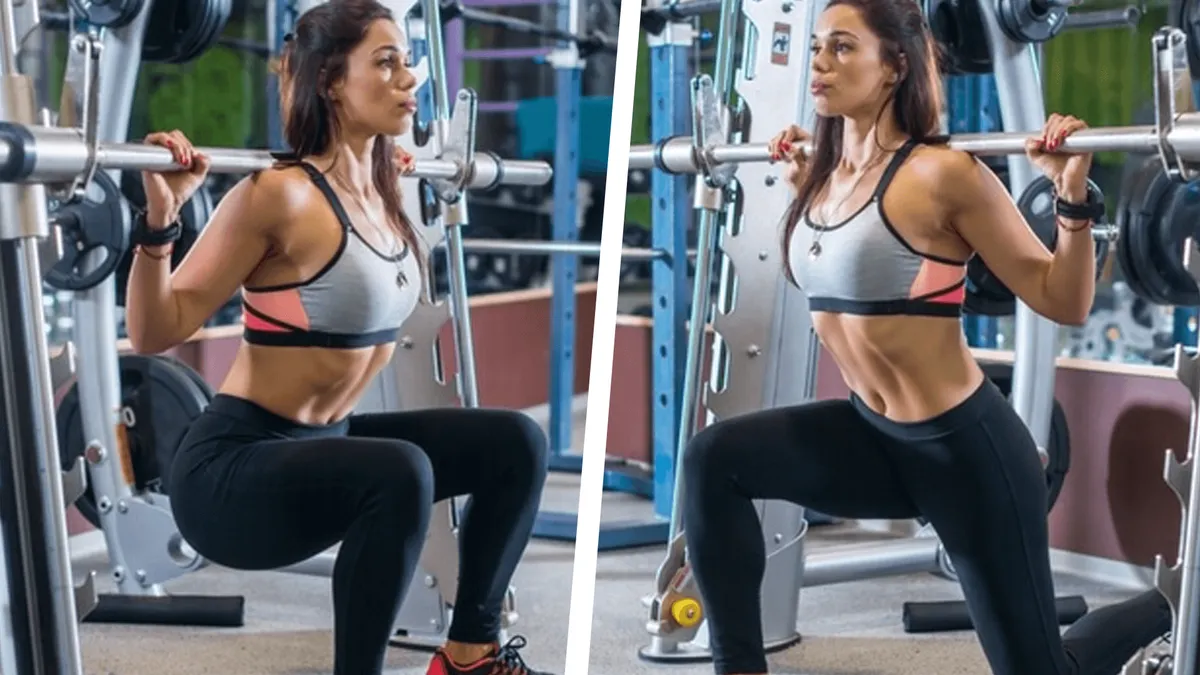

Most people are not perfectly symmetrical, and training does not need to make both sides visually identical. A knowledgeable fitness trainer singapore clients work with uses bilateral and unilateral exercises to understand how each side produces force, while avoiding unnecessary concern about normal differences.
Bilateral exercises train both sides together, as in a squat or barbell press. Unilateral exercises emphasise one side at a time, as in a split squat or one-arm row. Both have value, but they answer different programming needs.
Start With Performance, Not Appearance
A visible difference in shoulder height or foot angle does not automatically indicate a functional problem. Anatomy, habitual stance and previous activity can create harmless variation.
The trainer should examine whether the difference affects comfort, range, control or force production. A client may look asymmetrical while performing effectively, or appear balanced while quietly shifting load towards the stronger side.
Performance under movement provides more useful information than static appearance alone.
Bilateral Exercises Build Efficient Strength
Exercises using both sides allow clients to train with meaningful loads and develop coordinated force. They are often efficient because one exercise can train a large amount of muscle in relatively little time.
Bilateral work also provides a stable reference. If the client’s squat or press progresses consistently without discomfort, the exercise may deserve a central place in the programme.
The existence of a small side-to-side difference does not automatically justify removing it.
Bilateral Movements Can Conceal Compensation
When both limbs work together, the stronger side may contribute more. A bar can remain level even when pressure distribution is uneven.
A trainer may notice the hips shifting during a squat, one arm finishing a press earlier or one foot producing more force. These signs do not prove weakness by themselves, but they justify closer assessment.
Tempo, pauses and reduced loads can make the pattern easier to observe before the exercise is changed.
Unilateral Work Provides More Specific Information
Single-side exercises show how each limb manages load without as much assistance from the other. Differences in range, balance, repetition quality and perceived effort become easier to identify.
A split squat may reveal that one leg tires earlier. A one-arm cable press may show different trunk control between sides.
The trainer should compare the same conditions. Using different positions or loads makes the assessment less meaningful.
Balance Can Distort the Comparison
A client may appear weaker on one side because balance is less stable, not because the target muscles produce less force. Unsupported single-leg exercises combine strength and balance demands.
Light hand support can reduce this problem. It allows the client to direct more effort towards the working leg while still training one side at a time.
The trainer should decide whether balance is part of the goal. If not, excessive instability can make the exercise a poor strength assessment.
Do Not Automatically Give the Weaker Side More Sets
Adding extra volume to one side seems logical, but it is not always necessary. Small differences may reduce naturally as the client practises unilateral movements consistently.
Additional sets also create additional fatigue. If the difference is caused by coordination rather than muscular capacity, more volume may reinforce poor movement.
A cautious approach is to begin with the less capable side and let it determine the load and repetition target for both sides.
Distinguish Structural From Trainable Differences
Limb length, joint structure and old injuries may influence how each side moves. Not every difference can or should be eliminated.
The trainer’s role is not to diagnose structural conditions. It is to identify which exercise variations allow comfortable and effective training.
Persistent pain, sudden loss of strength or significant unexplained changes may require evaluation by an appropriate healthcare professional.
Use Different Tools for Different Purposes
Dumbbells allow each arm to move independently, while machines can provide stability for isolated effort. Split-stance exercises can emphasise one leg without requiring full single-leg balance.
The trainer may combine these options within the programme. A bilateral movement can provide the main strength stimulus, followed by unilateral work for additional control or volume.
This is often more effective than choosing one category exclusively.
Monitor Whether the Difference Is Changing
A single assessment can be affected by fatigue, unfamiliarity or concentration. The trainer should observe the pattern across several sessions.
Useful comparisons include repetition quality, range, load tolerance and the point at which fatigue appears. Measurements should be simple enough to repeat under similar conditions.
If the difference remains stable and does not affect function, aggressive correction may be unnecessary. If it increases, the programme deserves closer review.
Everyday Dominance Is Normal
Many people consistently use one hand for writing, carrying or racquet sports. Occupational tasks can also create side preferences.
Training can broaden capacity on both sides without pretending that daily life will become symmetrical. The goal is to prevent a meaningful limitation, not to remove every sign of dominance.
Clients should understand this distinction so normal differences do not become a source of anxiety.
Build a Coherent Weekly Structure
Unilateral exercises can create significant soreness and require more time because both sides must be trained separately. Too many can make sessions inefficient.
A balanced programme might use bilateral primary lifts for loading efficiency and selected unilateral accessories for specific needs. The exact ratio depends on the client’s goal, history and available time.
At True Fitness Singapore, varied free weights, machines and cable stations can support both approaches without forcing every movement into the same format.
Aim for Useful Capacity on Both Sides
The purpose of asymmetry-focused training is not visual perfection. It is to help both sides perform the required tasks with adequate strength, control and confidence.
Bilateral work develops coordinated force, while unilateral work reveals and trains side-specific capacity. Neither method is complete on its own.
When trainers use both strategically, asymmetries can be managed without allowing minor differences to dominate the entire programme.